


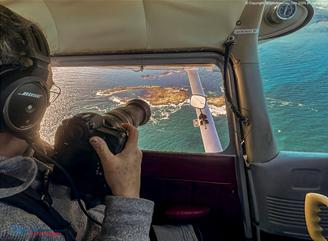
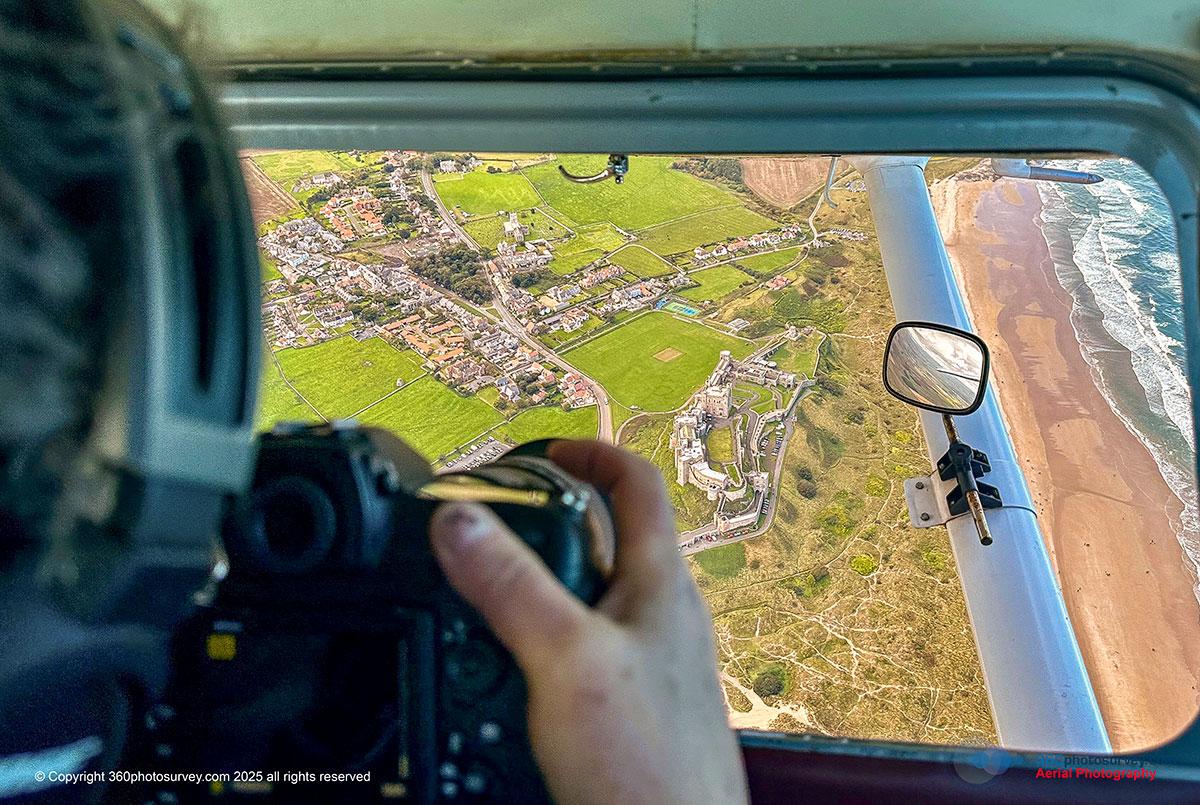
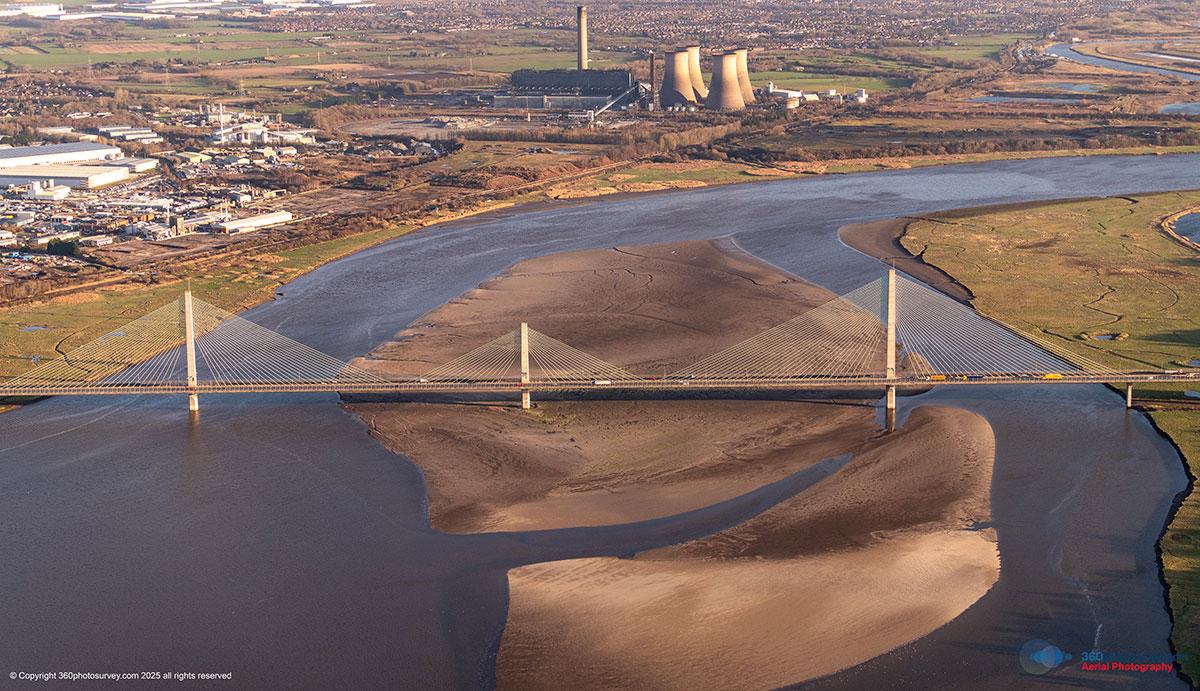
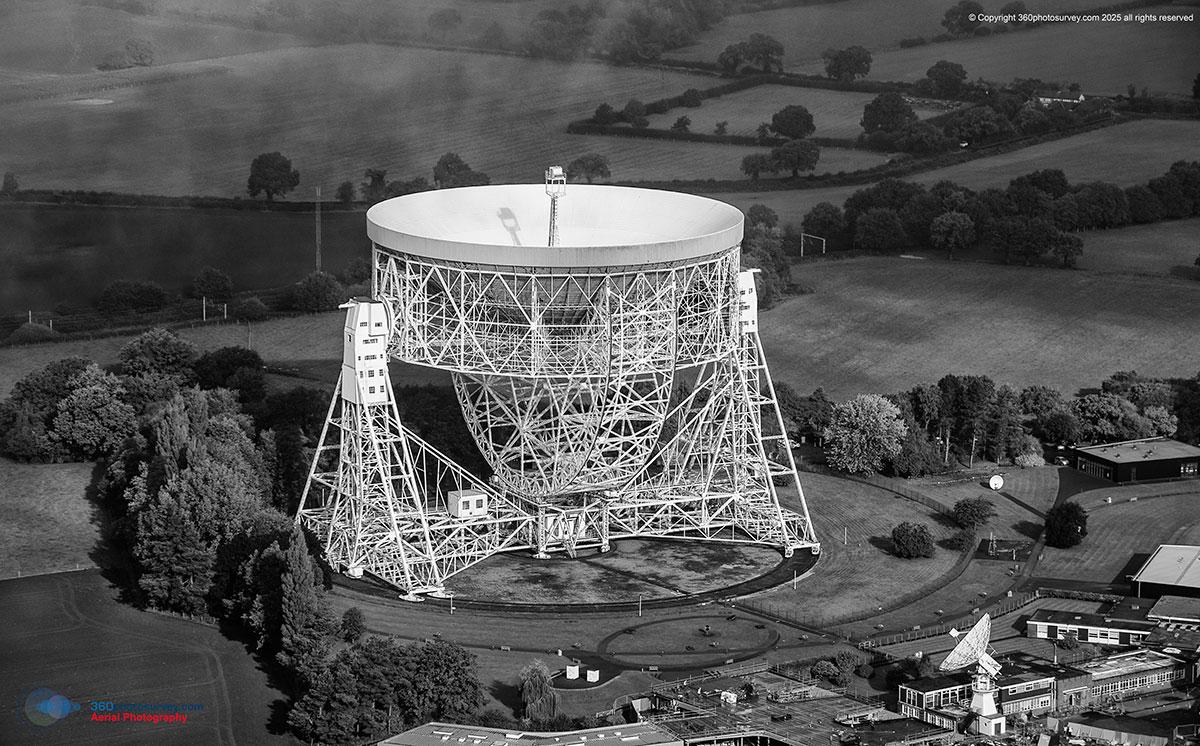
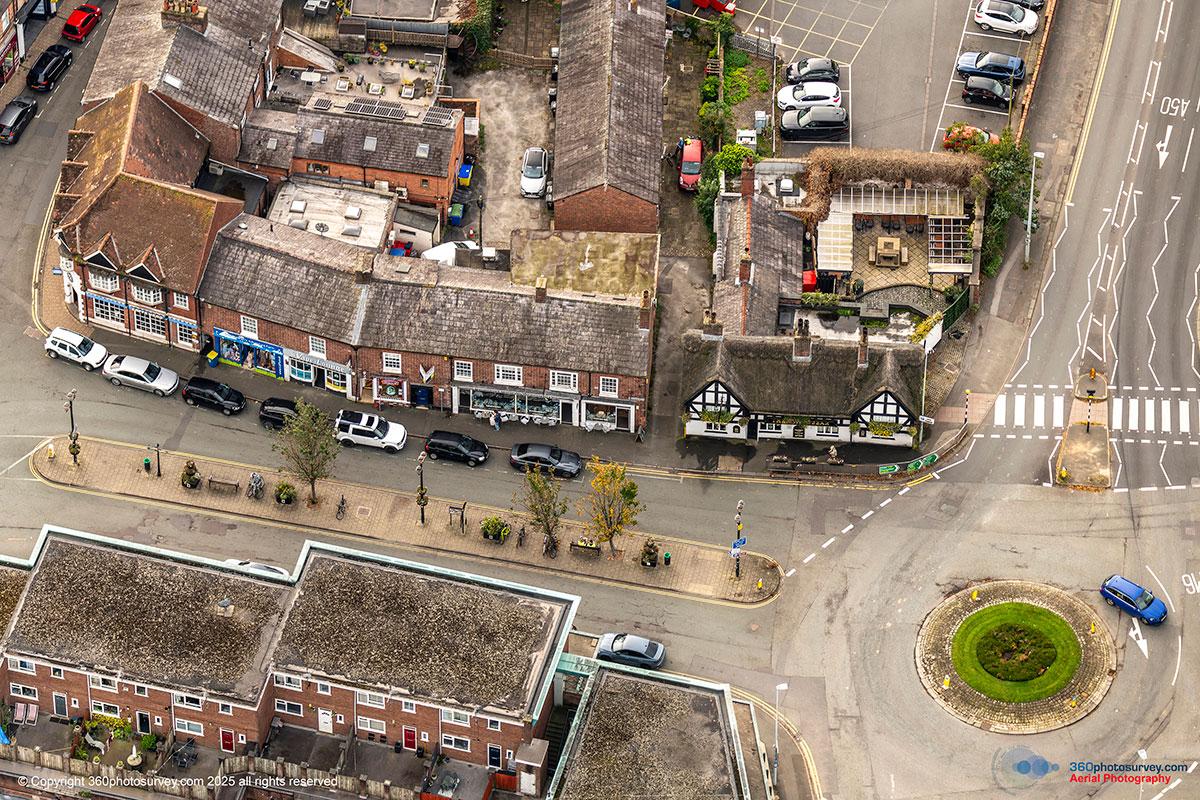
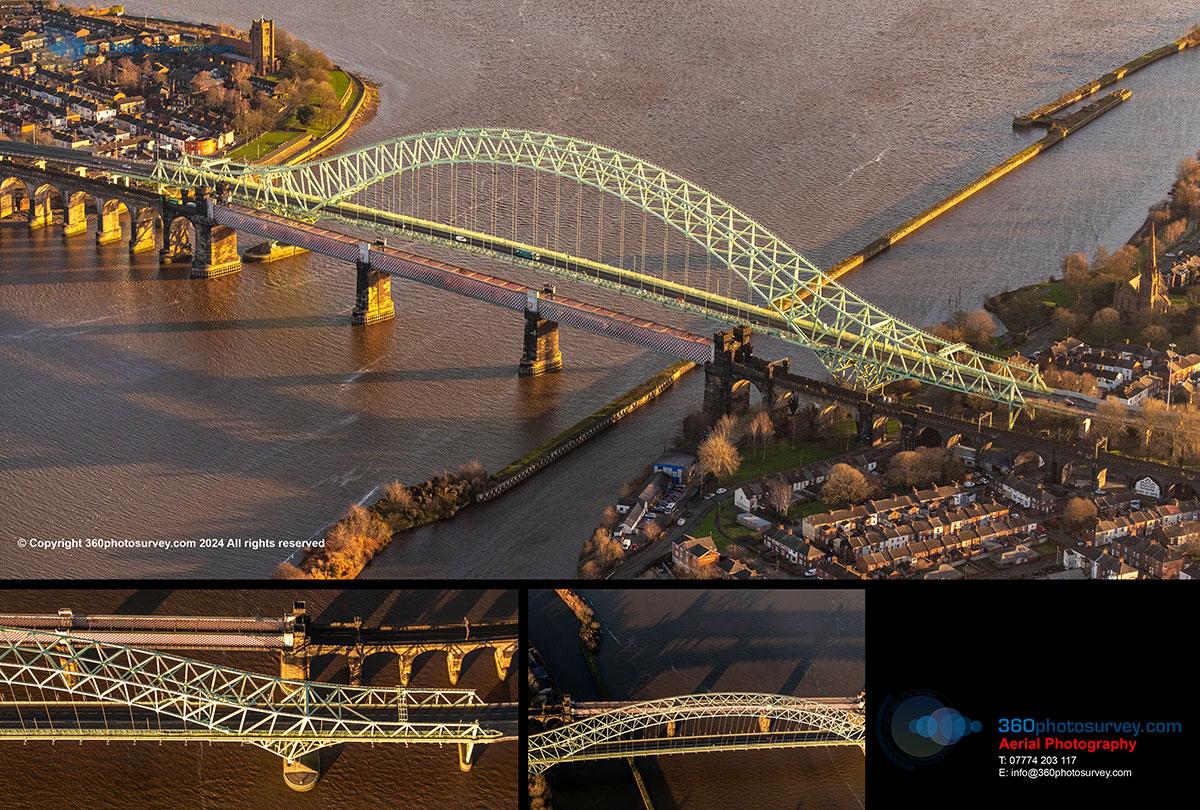

WHILE most of use spend our working days behind a desk, for Chris Billington, the office is 2,000 feet up in a light aircraft photographing some of the UK's biggest construction projects.
A typical day can involve circling a major infrastructure site, photographing a new football stadium, or flying through some of the country's most tightly controlled airspaces.
The Knutsford resident has spent 15 years running his aerial photography business, 360 Photo Survey, providing commercial clients with high-quality images.
Before taking to the skies professionally, the dad-of-one spent 25 years running an architectural consultancy. The move into aerial photography brought together his interest in the built environment, photography, and a passion for aviation.
Today, most of his clients are major construction contractors, local authorities, and commercial real estate companies, who all rely on regular aerial imagery to track developments.
"Major infrastructure projects have to be photographed every month, so the contractor has a reliable record of progress," Chris explained.

Among the high-profile projects he has photographed are Everton's new Bramley-Moore Dock stadium and Liverpool FC's new Anfield Road Stand, documenting the progress of two of the region's most significant sporting developments.
While much of his work focuses on large commercial schemes, Chris occasionally receives requests from private clients.
"Sometimes farmers will approach us for photography of their land," he said.
Chris employs three professional pilots, all of whom hold specialist licences enabling them to operate in areas where strict aviation controls apply.

The team is often required to work near airports, prisons, and even nuclear installations.
"Safety is our number one priority," said Chris.
"We would never interfere with the operations of commercial airports.
"We're in and out very quickly, adhering to their instructions throughout."
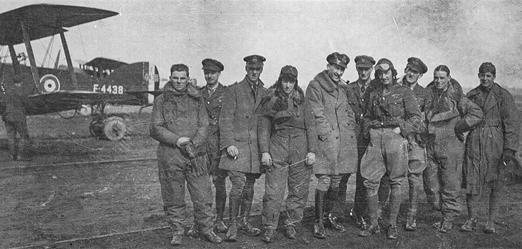
Photography runs in the family. Chris's grandfather served as an aerial photographer in the Royal Flying Corps during World War One, capturing images from open-cockpit aircraft long before modern aviation technology existed.

"He would've been using a big plate camera hanging out of an open cockpit," Chris said.
"Now, 100 years later, I'm doing professional aerial photography myself."
Despite the rapid rise of drone technology, Chris believes aircraft still offer significant advantages for the type of work his business undertakes.
"With a drone, it is not allowed to fly more than 500 metres from the pilot, which can be very restrictive.

"They also can't fly more than 400 feet high.
"In a plane, we're typically flying at anywhere up to 2,000 feet."
While safety remains paramount, Chris says the job has provided its fair share of memorable moments.

"We don't have close shaves because we are always absolutely safe," he added.
"We do have interesting moments though."
"We were approaching the Lincolnshire coastline on one operation, and we could see this big aircraft with a big tail slightly below us going left to right.
"We thought it was a Hercules, but it was in fact a B-17 Flying Fortress."

Another unforgettable encounter happened while photographing the Preston Bypass.
"The pilot shouted 'wow!' in my earphones," Chris recalled.
"One of the new Eurofighter Typhoons came and flew over our aircraft upside down, and the pilot waved at us."
After 15 years photographing Britain's landscape from above, Chris still enjoys the unique viewpoint his work provides.
He says it is certainly a career he wouldn't swap any time soon, adding; "It beats the heck out of a proper job."


Share