




As the summer holidays begin and temperatures remain high, the temptation for young people to cool off in rivers, lakes, and coastal waters increases.
For years, the message has rightly been simple: stay away from the hidden dangers of open water.
But the reality is that despite repeated warnings, many young people will still enter the water.
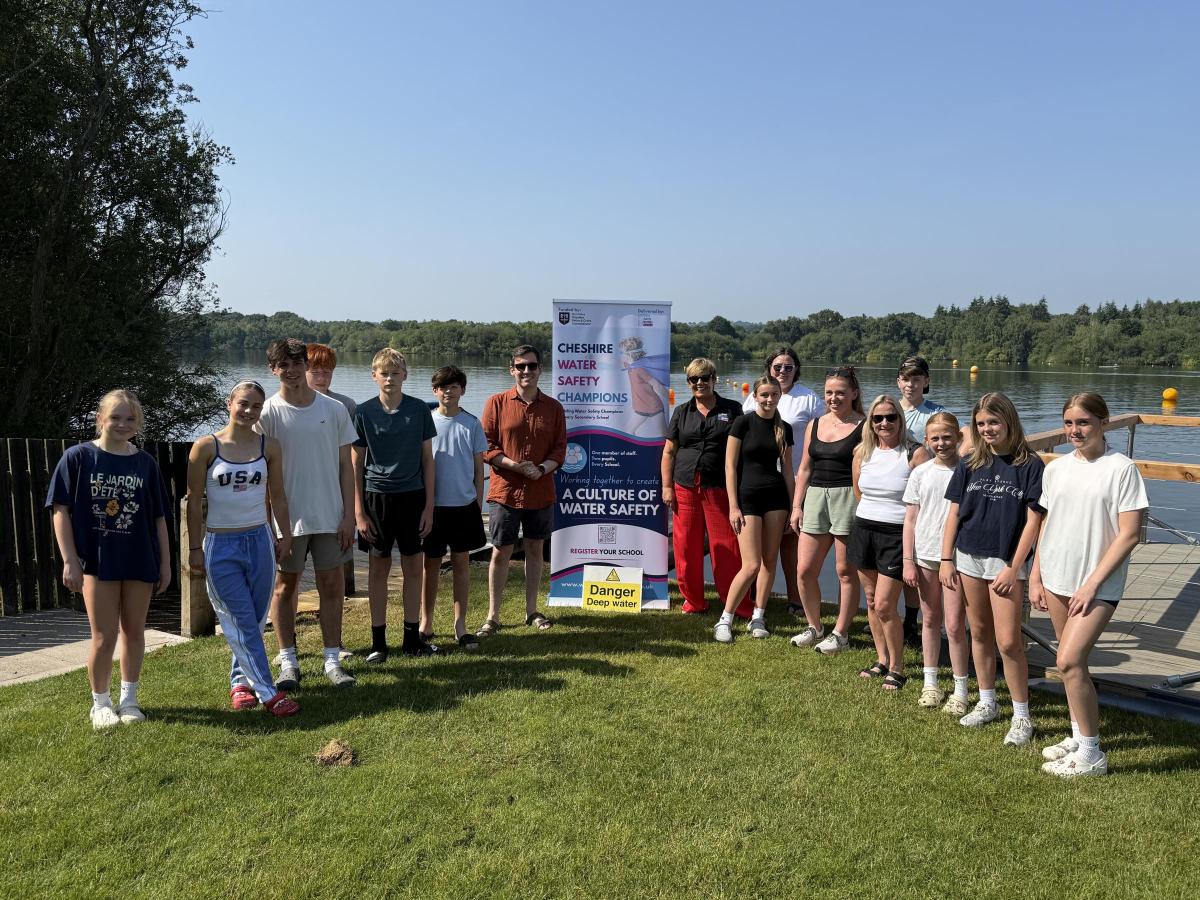
That is why as police and crime commissioner, I’ve funded Cheshire's new Water Safety Champions programme.
Through this initiative, every state high school in Cheshire will have trained staff and student champions equipped to educate their peers about the risks of open water and how to stay safe.
I believe this programme is one of the first in the UK, and it puts Cheshire at the forefront of water safety education by setting an example for others to follow.
Open water can be unpredictable and dangerous. Hidden currents, sudden drops, underwater obstacles and cold-water shock can turn a harmless swim into a life-threatening situation in seconds.

While the safest choice is always to stay out of open water, we must educate young people to recognise risks and make safer decisions if they enter it or find themselves in difficulty.
One of the biggest misconceptions is that strong swimmers are automatically safe.
In reality, cold-water shock can affect anyone, impairing breathing, movement, and judgement regardless of ability.
For teenagers, factors such as peer pressure, risk-taking behaviour, social media trends, and growing independence can increase the likelihood of water-related incidents.
Fun can quickly turn to antisocial behaviour or even tragedy. Practical, relevant education is more important than ever.

This is a problem that can be solved and I’m determined to make a difference in Cheshire. The young people in our communities need to be kept safe.
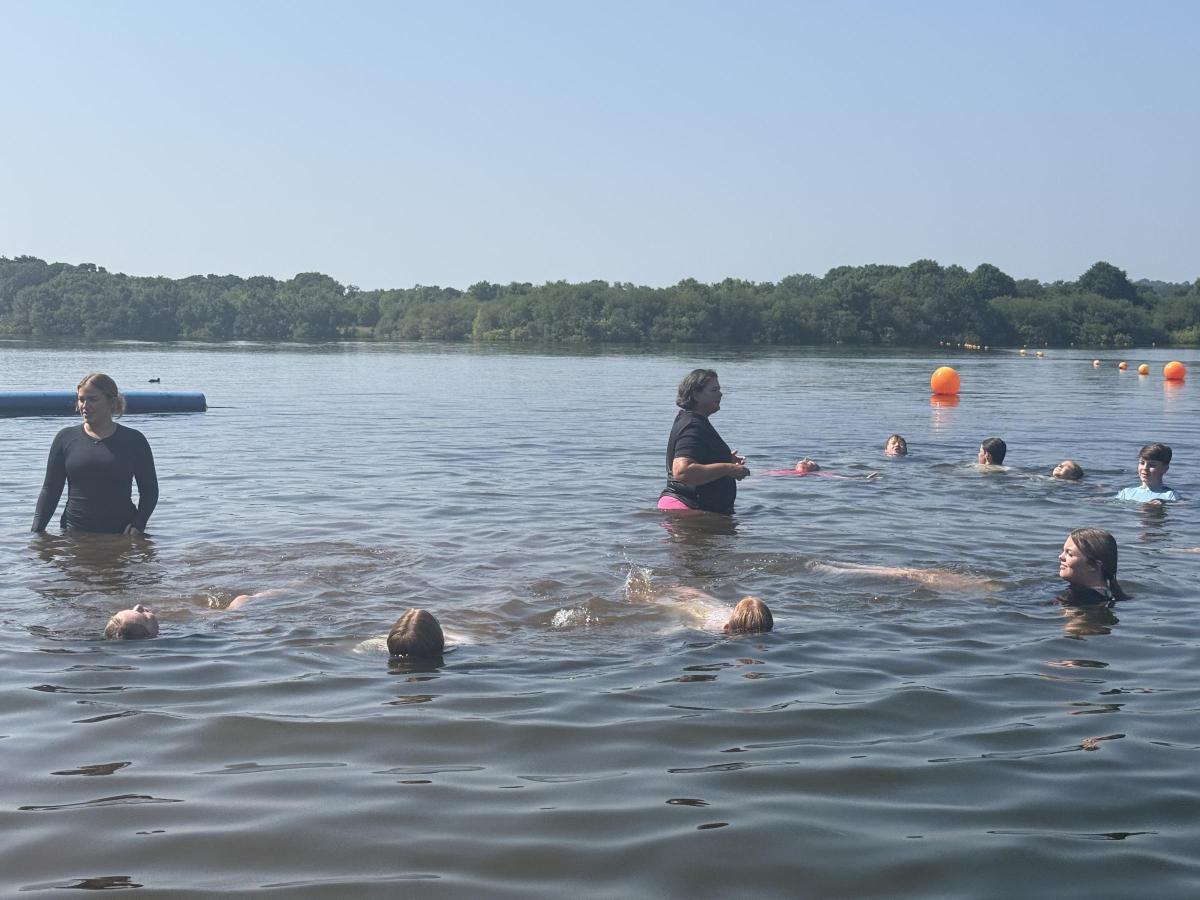
The Water Safety Champions programme combines classroom learning with open water training, giving teachers the confidence to share life-saving messages and empowering young people to spread that message among friends and the wider community.
The programme comes ahead of changes to the Relationships, Sex and Health Education curriculum that will make the Water Safety Code a statutory part of learning from September.
Alongside this, community sessions funded through the PCC's Summer SWAP fund will help even more young people access vital water safety training during the holidays.
Every drowning is a tragedy that leaves lasting scars on families and communities.
While avoiding dangerous waters remains the best form of prevention, knowledge can save lives when things go wrong.
That is exactly what this programme aims to achieve and I’m hoping it will become a model for communities across the country.


Share