



THE firm behind vast-scale soil disposal at a former chemical waste dump in Middlewich will address residents at the town's annual meeting.
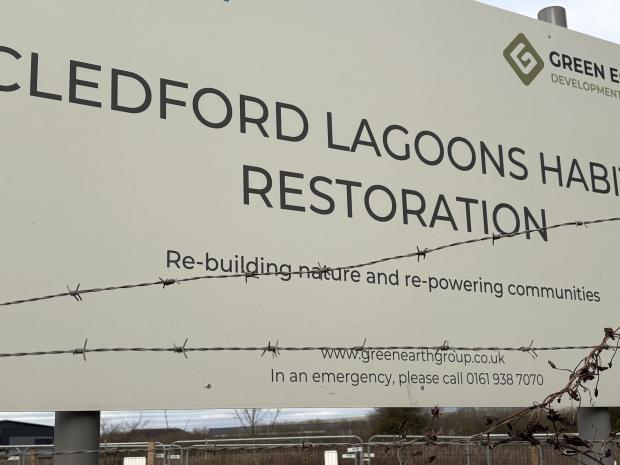
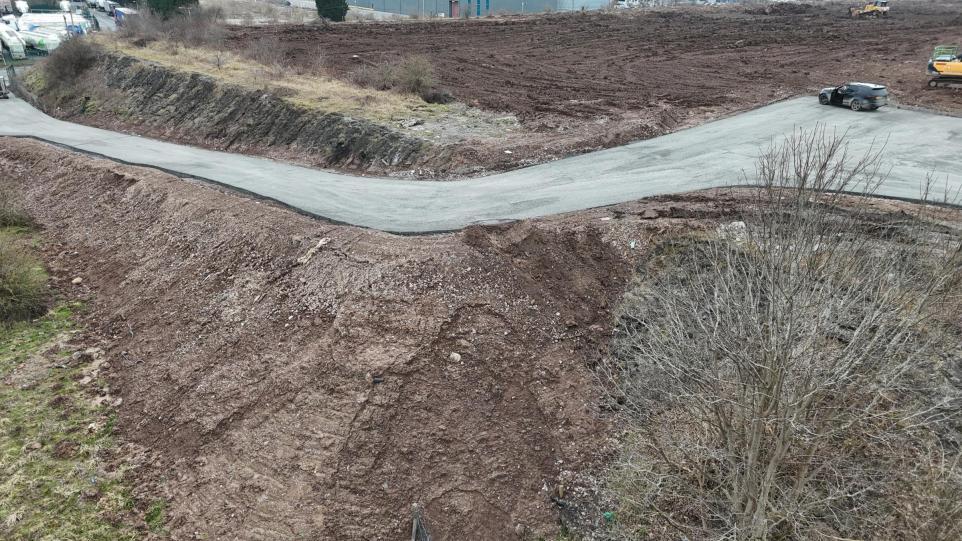
Green Earth Developments Group's (GDEG) Cledford Lagoons Habitat Bank project involves ‘capping’ Tata's former industrial dump in Cledford Lane with around 200,000 cubic metres of soil.
The soil comes from housing developments and infrastructure projects whose operators pay to get rid of it.
Until around 2017, this type of surplus soil was legally classified as waste, meaning it had to be disposed of at landfill sites, just like household waste, which is subject to tax.
After several recent changes to the law, it can now be disposed of practically anywhere, and in many cases, perfectly legally.
Now, GEDC’s co-chairman, Simon Towers, has agreed to address Middlewich residents at the annual town meeting which takes place on Wednesday, April 15, at Victoria Hall, starting at 7pm.
He will be joined by Tata Group's compliance director, Phil Davies.
Mid Cheshire has proved a hugely attractive place for soil disposal firms thanks to its wealth of chemical manufacturing waste dumps.
In 2025, the Environment Agency announced it was investigating what it believed to be the UK’s largest illegal dump in Lostock Gralam, which is largely surplus soil.
For legal operations like GEDG's at Cledford, planning permission usually needs to be granted, though operators have found ways to make getting it highly likely.
It is achieved by stating the large-scale soil importation is an essential step in delivering a beneficial environmental improvement project.
Thanks to the government's complex environmental targets, planning authorities have had very little success keeping out soil disposal firms, which are well financed due to the vast amounts of money involved.
In the case of Cledford Lagoons, once the project is complete, GEDG plans to split the capped land into ‘biodiversity parcels’.
It will then lease these to other developers forced by planners to offset biodiversity net losses associated with their own projects elsewhere.
GEDG is the firm behind the controversial Wallerscote Lime Beds solar farm in Winnington on land once used by ICI to dump chemical waste.
In order to build the solar farm, the firm claims it needs to ship in 1.34 million cubic metres of surplus soil, which at 120 lorry loads a day, will take up to five years to ship in.


Share