


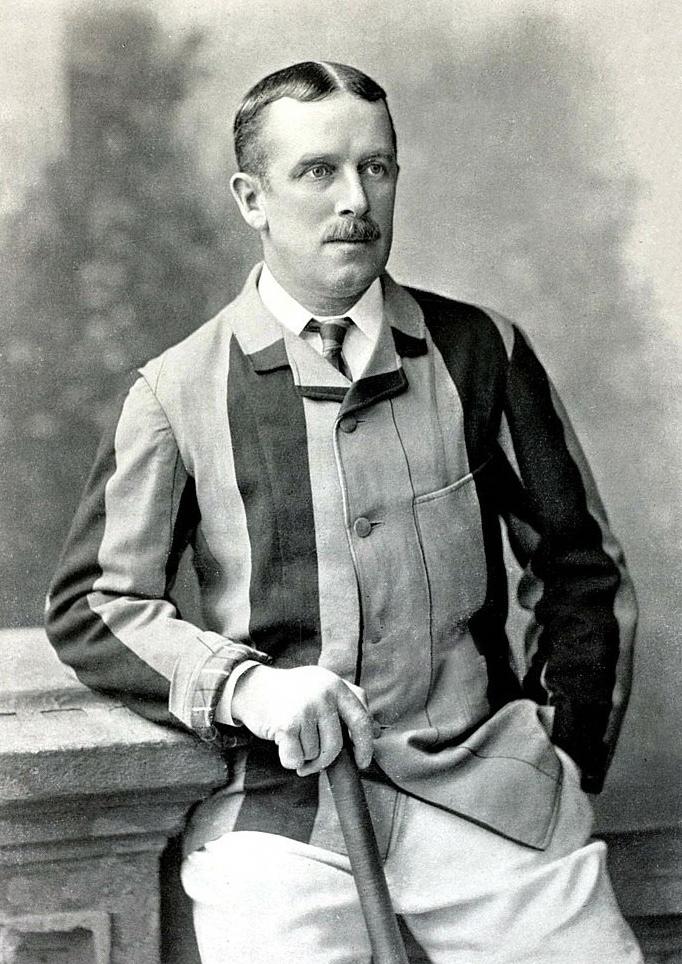
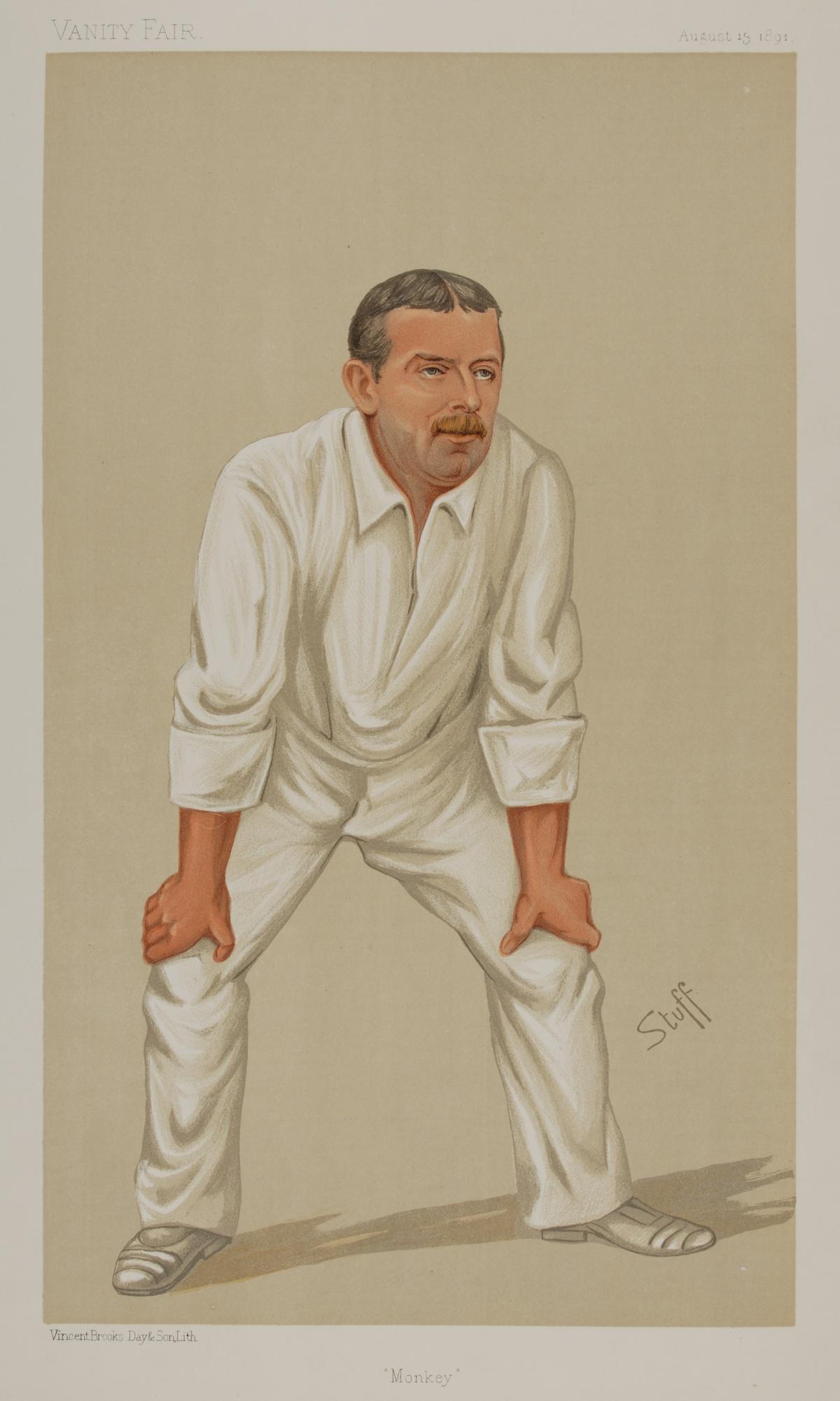

One of the most famous of Victorian-era sportsmen, excelling at both cricket and rugby, A.N. Hornby became the first of only two men to captain the English side in both disciplines.
Although not born in Cheshire, he lived among us, played cricket for Cheshire County Cricket Club, and also died and was buried in the county.
Albert Neilson Hornby, dubbed ‘Monkey’ Hornby, was born in Blackburn, the sixth son of 11 children, to William Henry Hornby, a cotton mill proprietor, mayor, founder of A.H. Hornby & Co. and director of the Lancashire and Yorkshire Railway (L&YR).
Hornby senior was also an MP for Blackburn during the 1850s and ‘60s. Educated at Harrow School, Albert would play for his school against Eton at Lord’s before a brief stint at Oxford, returning to Lancashire and the family firm, although it’s said he had no head for business.
His three brothers were Conservative MP Edward (1839–87); Henry (1841–1928), an industrialist and another Conservative MP and Cecil (1843–96), a Lancashire cricketer. Cricket and politics ran in the family.
That ‘Monkey’ moniker came about because A.N. was small and energetic; he was so named at school and it stuck. He’d acquire another soubriquet as a cricketer, ‘The Boss’, a reflection of his fastidious approach to captaincy, in which capacity he was, nevertheless, regarded as inspirational. As fellow English cricket captain A.C. MacLaren (1871–1944) said: ‘No skipper was so genuinely appreciative of good work on the part of his men, or so fearless in his untiring efforts to win the game.'

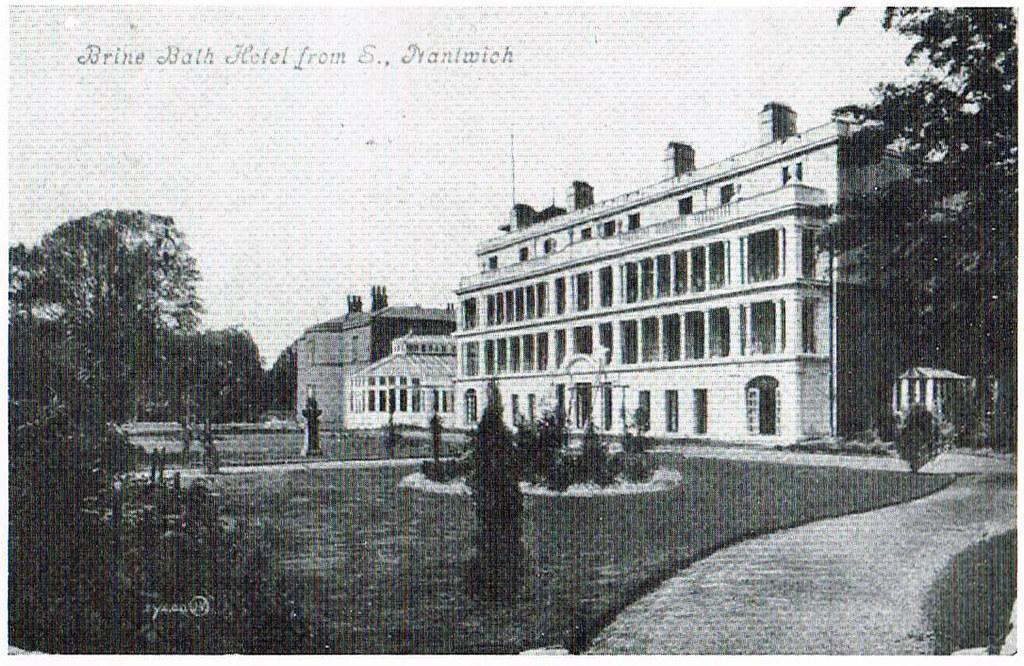
While young Albert had been away at school, the family upped sticks and moved to neighbouring Cheshire, to Shrewbridge Hall, Nantwich, a home that would undergo major alterations in 1898 to be transformed into the new Brine Baths Hotel.
It was an imposing dwelling. Albert also played cricket for Cheshire, firstly in 1862, appearing on and off until 1876.
He’d first try out for Lancashire, a First Class County, in 1867 and it would be there he would play his finest cricket, enjoying a lengthy career until 1899 with 17 years as captain. During this time, he appeared in 437 First Class matches, accumulating more than 16,000 runs, including 16 centuries as an attacking front-foot batsman. He topped the national batting averages in 1881 when his 1,500-plus runs included three centuries; it was one of his best summers. For a decade, he was the only Lancashire batsman to complete a century.
His top score in First Class cricket was 188 (although he also scored 201 not out for Cheshire in 1868 and also once scored 213 in club cricket), while also taking 11 wickets as a part-time bowler and was a more than capable fielder.

As an opening bat, Hornby became immortalised with his partner Dick Barlow (1851–1919) in one of the better-known of all cricket poems, At Lord’s, penned by Francis Thompson (1859-1907), the Preston-born poet/mystic, which includes the words:
‘For the field is full of shades as I near a shadowy coast,
And a ghostly batsman plays to the bowling of a ghost,
And I look through my tears on a soundless-clapping host
As the run stealers flicker to and fro,
To and fro:
Oh my Hornby and Barlow long ago!’
Hornby played three Test matches for England and never quite managed to replicate his county form on the higher stage.
He was captain, however, for the famous or possibly infamous game at the Oval in August 1882 when England lost to Australia by seven runs, prompting prompted the Sporting Times to print an obituary notice: ‘In affectionate remembrance of English cricket, which died at the Oval on 29th August 1882, deeply lamented by a large circle of sorrowing friends and acquaintances R.I.P. N.B. – The body will be cremated and the ashes taken to Australia.'

In that moment was created the greatest international rivalry in cricket, the Ashes, and one of the fiercest rivalries in all sport.
Albert Hornby achieved another ‘distinction’ by becoming the only player to be stumped in two innings of a test match, not in that renowned ‘Ashes’ test but in his final Test two years later. He also turned out for the MCC, including on a tour of Canada and the US in August–September 1872 and would also be a committee member; he was Lancashire County Cricket Club chairman and president, holding the posts simultaneously for a period. He’d also tour Australia and New Zealand.
He was the epitome of the amateur sportsman, and probably could afford to be as an Old Harrovian, condemning cricket leagues as being anathema to the game’s best interest. He once played for the Gentlemen of Cheshire against the Gentlemen of Lancashire. As well as county and representative cricket, A.N. also played club cricket, including for Nantwich.
As far as his rugby career was concerned, Hornby played for Preston Grasshoppers and Manchester before being capped by England for the first time as a back in February 1877, the first 15-a-side match against Ireland and played, coincidentally, at the Oval cricket ground.
Hornby was already 30 by this time but continued to appear in the side, although his cricketing commitments would sometimes prevent him playing rugby as well. He captained England in 1882, a match versus Scotland, which was lost by two tries to nil.
This article was originally published in Cheshire Life. If you enjoyed this content, consider subscribing to Cheshire Life for more insightful articles, in-depth features, and exclusive content. Simply visit our website at https://www.greatbritishlife.co.uk/magazines/cheshire/ to subscribe today!
When, later in the same year, Hornby stepped out to captain the England cricket team at the Oval, he became the first player to captain his country in both sports and at the age of 35. The only other player to achieve this notable feat has been Andrew Stoddart (1863–1915). As well as his rugby and cricket exploits, Hornby also played football for Blackburn Rovers in their first-ever match in January 1878 and then in subsequent games.
Later on, he’d play for Nantwich, where he would also become club president. It’s also been suggested he was behind the formation of another football club, Crewe Alexandra, which was an offshoot of the Crewe Alexandra Cricket Club, formed in 1877 at his behest with willing support from a few others. He was a keen rider and huntsman as well as a boxer.
Hornby married Ada née Ingram in 1876, daughter to the wealthy Herbert Ingram MP (1811–60), the founder/proprietor of the influential Illustrated London News.
Albert and Ada set up home at Bridge House, Church Minshull, Nantwich, and the pair would have four sons, all of whom would follow their father to Harrow. A.N. Hornby was the father of another cricketer, A.H. Hornby (1877–1952), who was born in Church Minshull, attended Trinity Cambridge and, like his father, played for and captained Lancashire County Cricket Club, as well as Walter Ingram (1878–1918) who served in WW1 and died of wounds received in France; George Vernon (1879–1905) who served in the 2nd Boer War (1899-1902) before dying in South Africa and finally, the explorer and youngest son John Hornby (1880–1927), best known for his Arctic expeditions although he was also wounded during WW1 and was awarded the Military Cross (MC) before dying in northern Canada.
It was a distinguished brood. Father Albert also had military experience of a sort as he served with the 1st Royal Cheshire Militia as a captain.
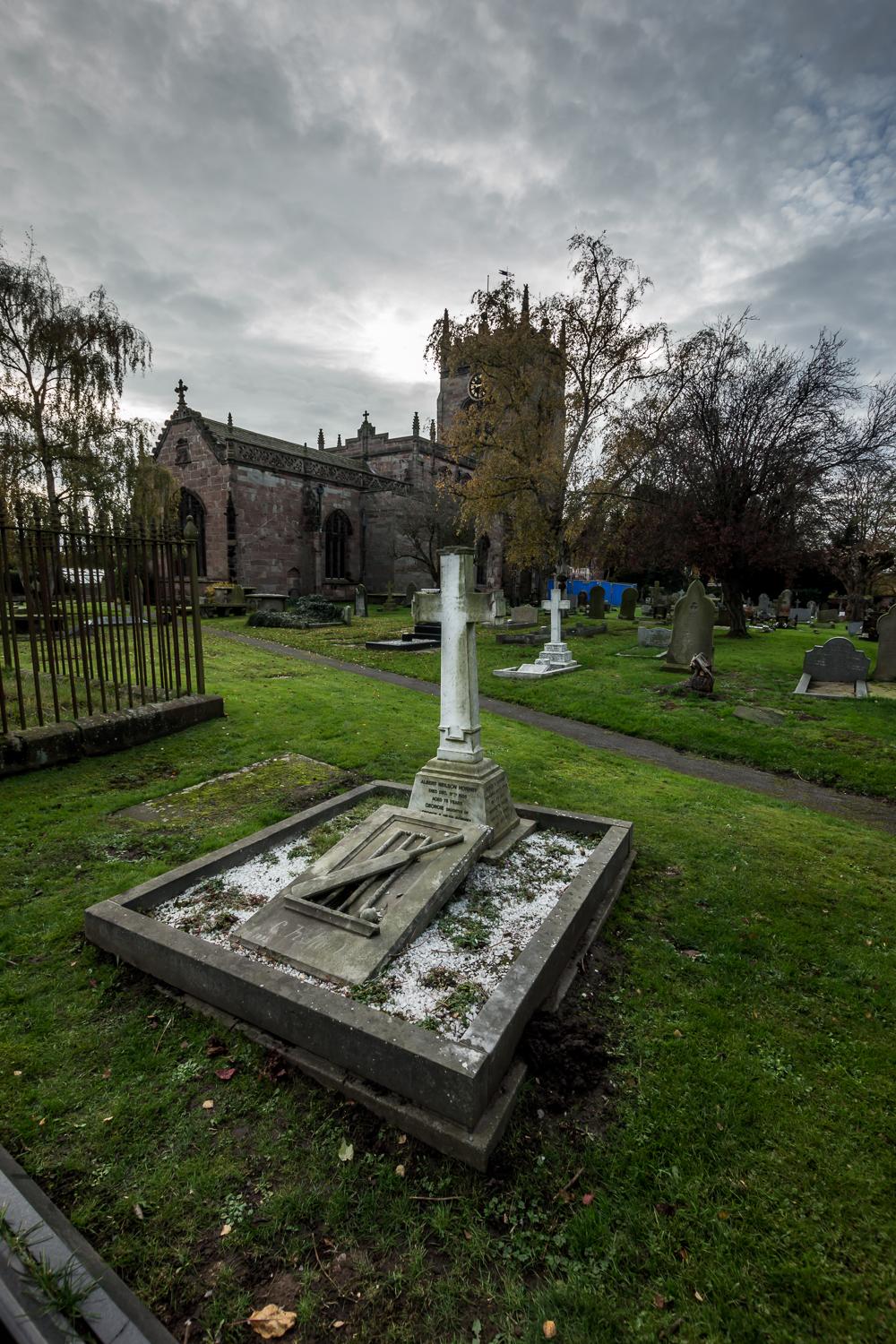
A.N. Hornby died at his final Cheshire home, the sadly demolished Parkfield House, close to today’s Parkfield Drive, Nantwich, on December 17, 1925, and was laid to rest at St Mary’s Church, Acton, west of Nantwich.

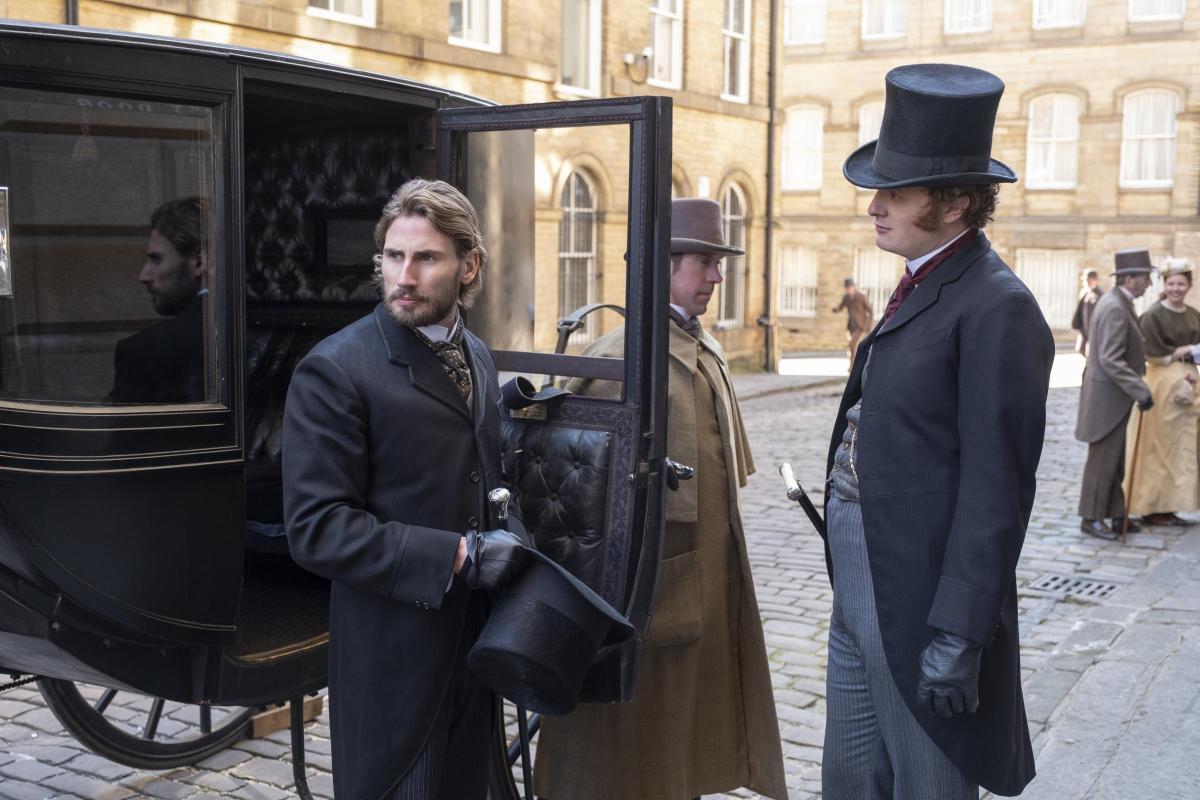
Despite all of his many achievements, it was that losing cricket Test match of 1882 for which he is perhaps most remembered, the one that gave rise to the ‘Ashes’. England has always liked a good loser. He was portrayed by Harry Michell in the Netflix series The English Game (2020).
There is a Hornby Drive in Nantwich named in his honour.
CHRONOLOGY
1847 – Birth of Albert Neilson Hornby (10th February) in Blackburn.
1862 – First plays for Cheshire County Cricket Club.
1867 – Makes his debut for Lancashire.
1872 – Tours Canada and the United States with the MCC.
1876 – Marries Ada née Ingram, daughter of the founder of The Illustrated London News.
1877 – First cap for the English rugby union side, and behind formation of Crewe Alexandra FC.
1878 – Plays in the inaugural match of Blackburn Rovers FC.
1882 – Captains the England cricket side in the infamous Oval ‘Ashes’ test.
1925 – Death of A.N. Hornby ( December 17) in Nantwich aged 78.


Share